We departed PEI for our next stop in Atlantic Canada: the Bay of Fundy, which borders the provinces of New Brunswick and Nova Scotia.

We crossed the 8-mile Confederation Bridge (again) from PEI and paid the $75 toll to enter New Brunswick. They charge you to leave PEI but not to enter PEI… I have to assume they’ve done the math on one-way toll collection.
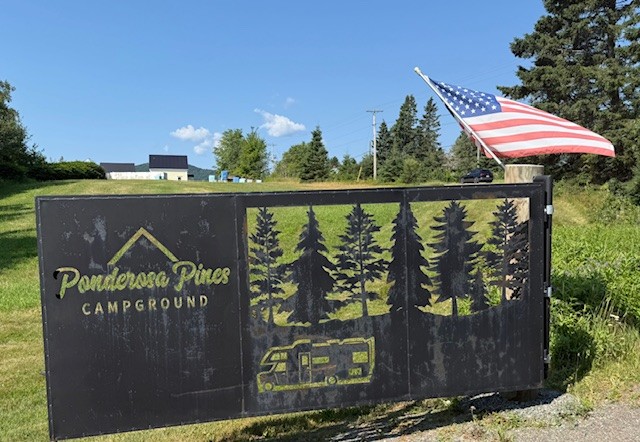
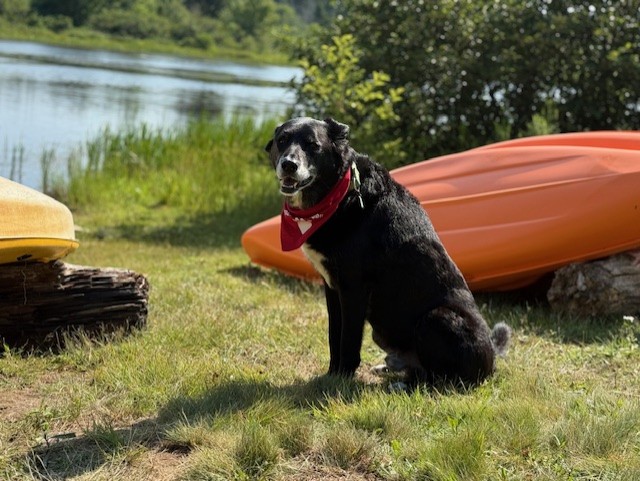
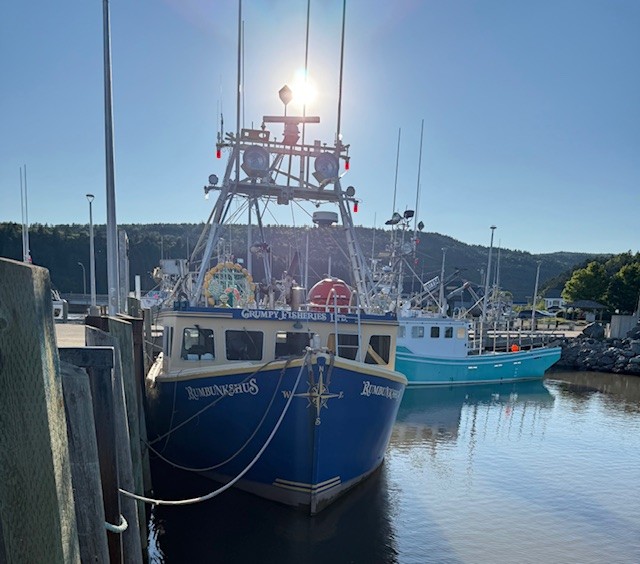
After paying our toll to leave PEI, we entered New Brunswick and headed southeast. We checked in at our delightful campground, Ponderosa Pines, which sits quietly on the edge of the Bay of Fundy.
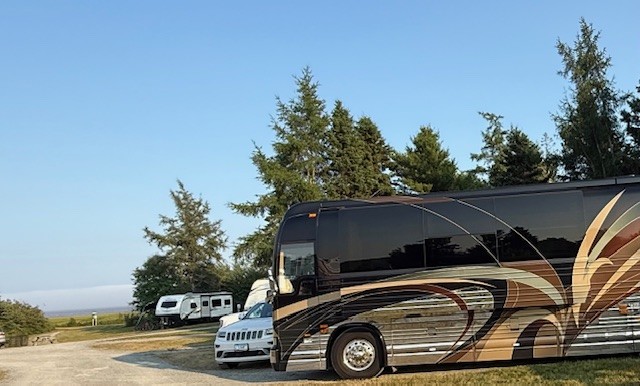
After we tucked Tink in, we took the dogs exploring the trails throughout the campground.
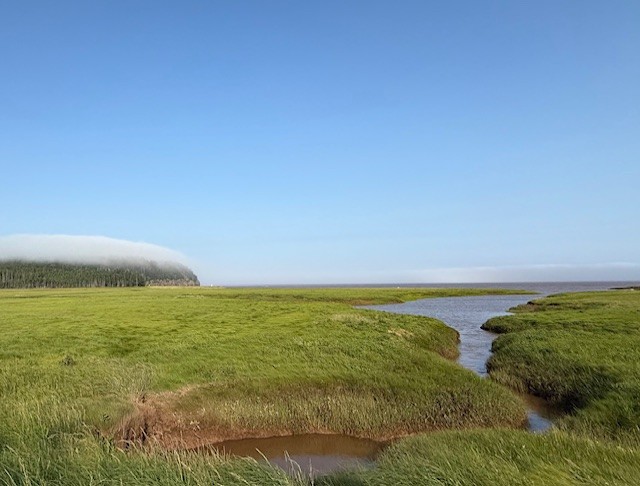
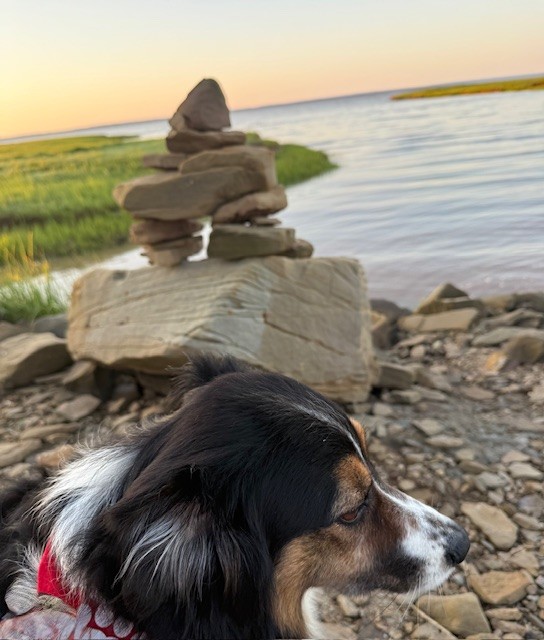
The campground was just beautiful. So peaceful. And the hosts had thoughtfully planted flowers and placed rocks in formations along the paths.

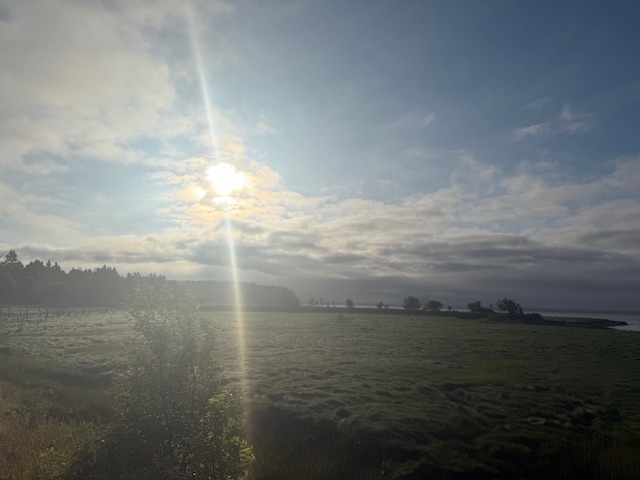
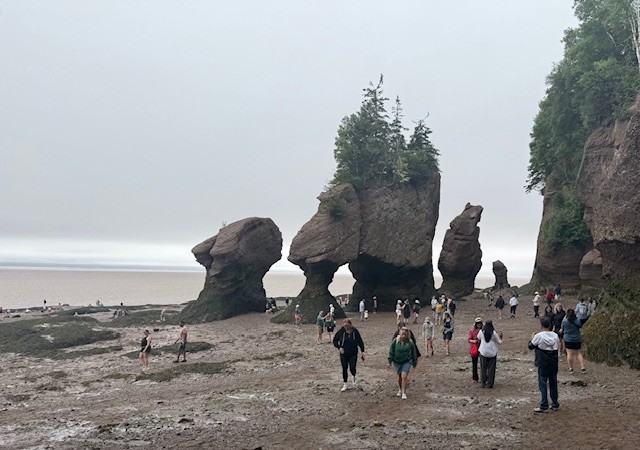
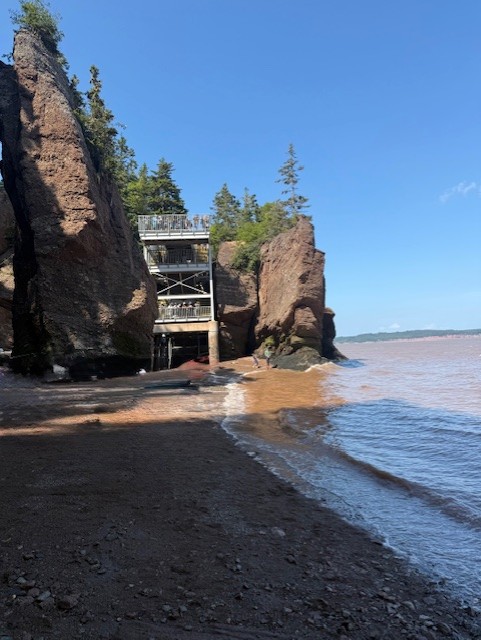
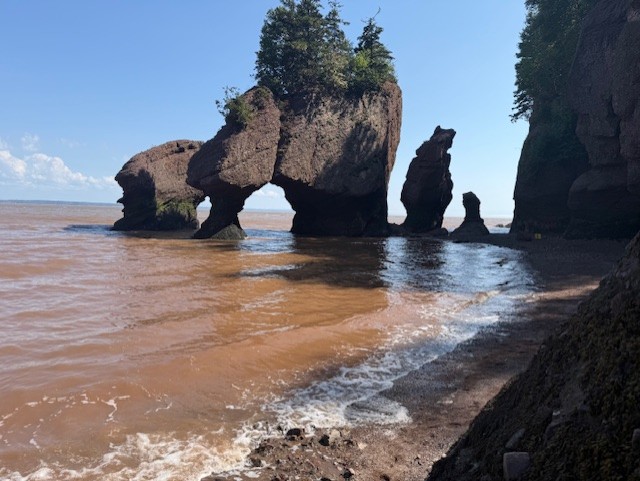
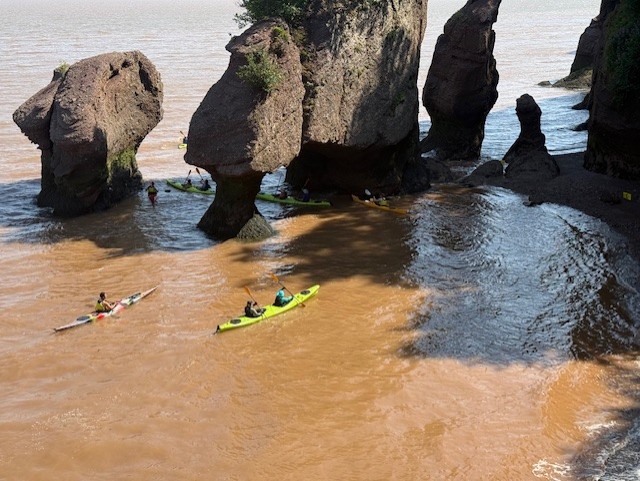
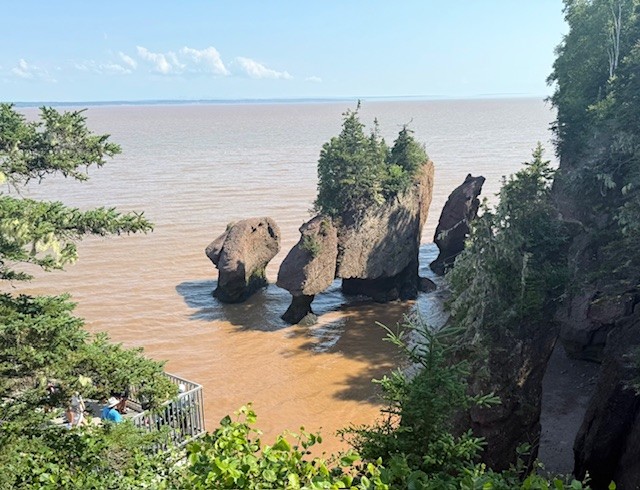
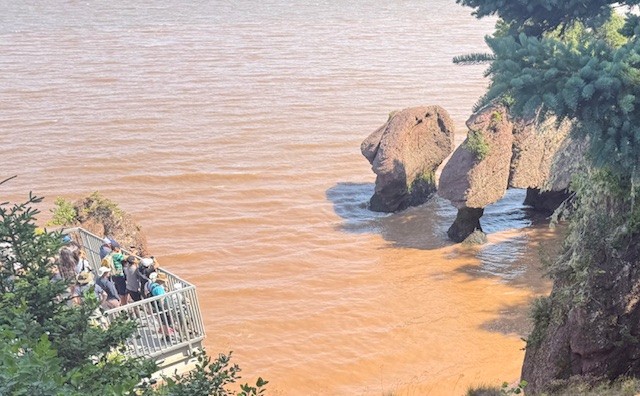
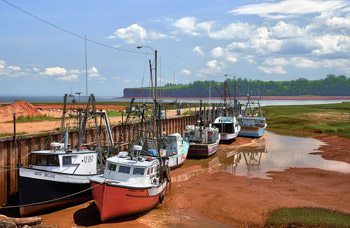
We planned the next day’s adventure to Hopewell Rocks at the Bay of Fundy. We had no idea what we would see at Hopewell would rival the awe of The Grand Canyon. The boulders at Hopewell were enormous. When the tide was out, we could see the formations carved by years of shifting tides.
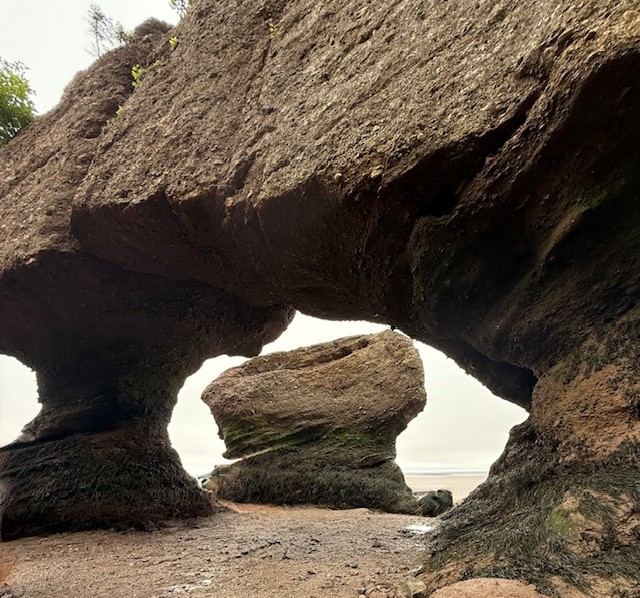
The Bay of Fundy measures more than 6,000 square miles. By comparison, the San Francisco Bay is only 1,500 square miles.
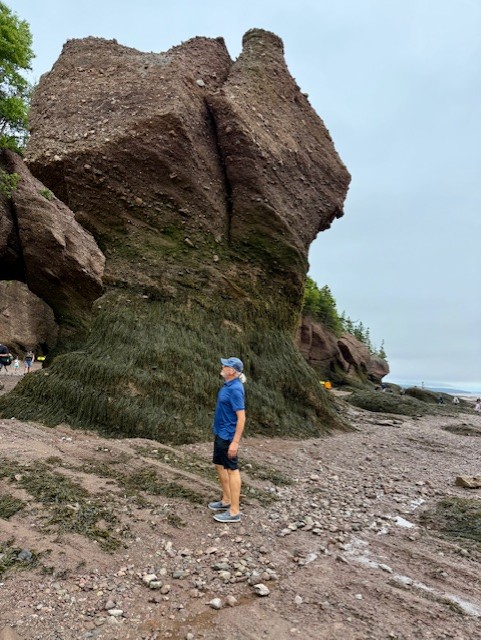
Because the Bay is so incredibly large, and is shaped like a funnel, the tides are exponentially magnified. In fact, the Bay of Fundy has the highest tides in the world.
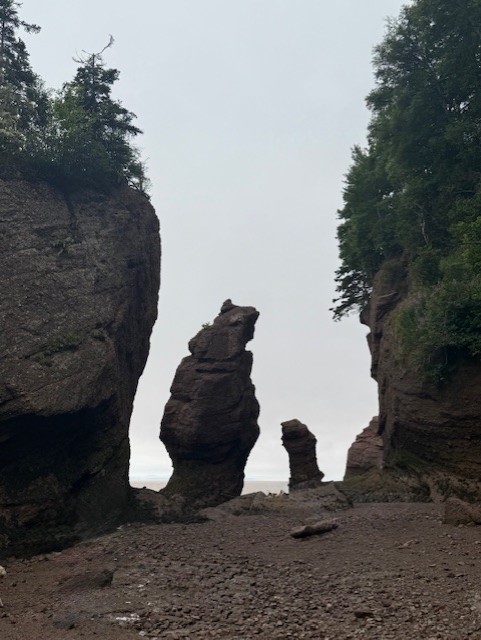
To give you some perspective, the beach we visited in Virginia has tides averaging between two- and four-feet.
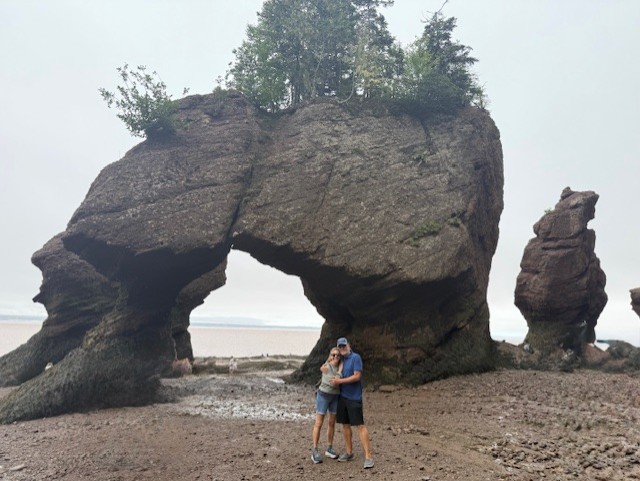
The Bay of Fundy’s tides are 48-foot monster tides! Each tide brings as much as 100 billion tons of seawater rushing onto the shore in less than four hours!
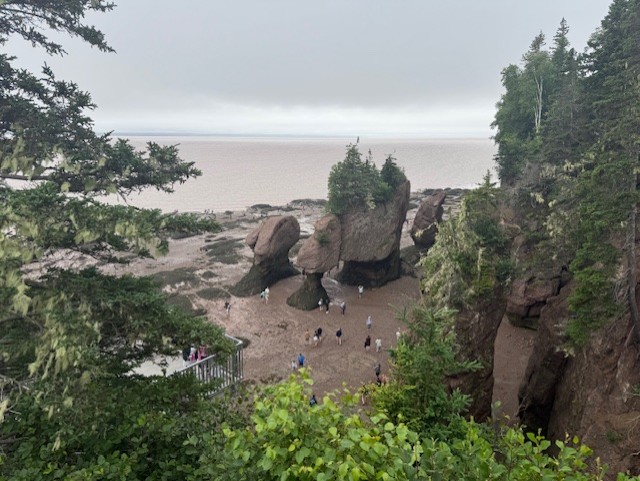
We carefully planned our visit to catch the low tide at noon, traverse the muddy, exposed ocean floor, and then return to the same location a few hours later to watch the tides come quickly into shore.
Quick Tutorial on Tides
Here’s what I learned: Tides are like the heartbeat of our planet’s oceans. Tides are caused by the gravitational pull of the moon and sun on the earth, as well as the constant rotation of the earth itself.
The moon is the big daddy pulling the strings of tides. It pulls the earth’s waters toward itself, making a bulge on the surface of the ocean at the side where the moon is. This is called lunar tide.
Concurrently, high tide happens when the centrifugal force (caused by the spinning of the Earth) acts on the water on earth’s surface that is opposite the moon, creating a second bulge, which is high tide. And that is what I learned about tides.
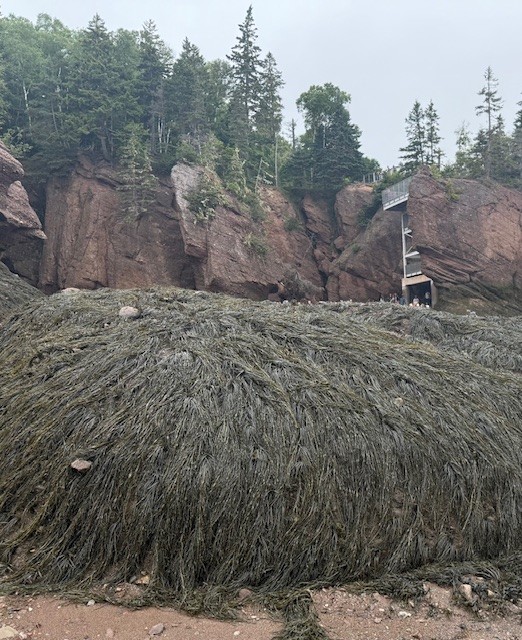
After wading through the muddy ocean floor, we walked back up the trail to a local restaurant for some lunch while watching the tide begin to roll in.


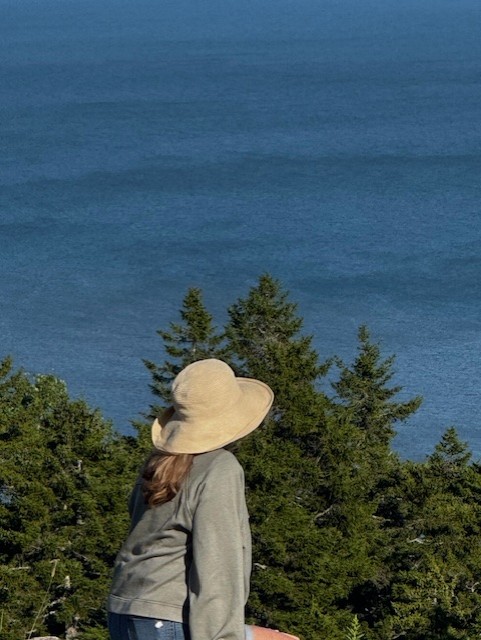
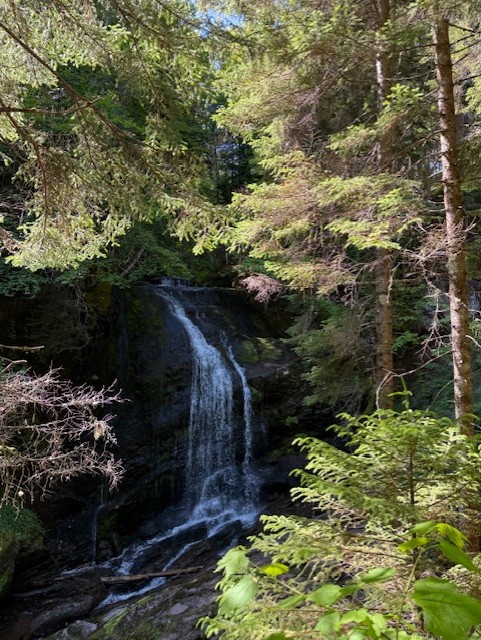
The next day, we toured Fundy National Park. We brought the dogs along for the scenic drive along the Coastal Fundy Trail, which has breathtaking lookouts and beaches.
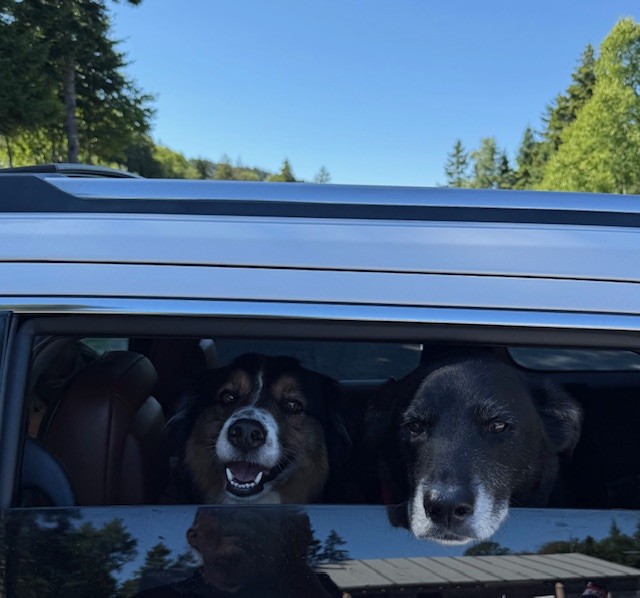
We kept hearing how scary it was to drive the coastal roads butt, honestly, compared to California’s Highway 1 and some other cliff roads we’ve been on in Tinkerbell, driving the Coastal Fundy Trail in Leap was a piece of cake 😉
Look Out for Moose!
All through our drives in New Brunswick, we kept seeing signs warning of moose.
Our campground supposedly had moose wandering the shores at low tide.
The wooded trails we walked to the Bay were rumored to be inhabited by moose.
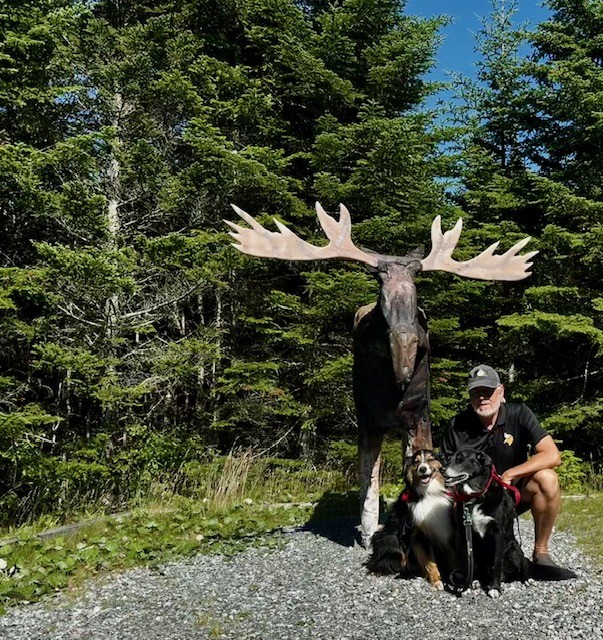
Did we see a moose? Yes, we finally did!
Coming Up: Halifax in Nova Scotia!

 Tinkerbell's Travels
Leave a comment