We rose bright and early (for us) and hit the road. We didn’t know what to expect at the border. Would U.S. border agents question us about maple syrup like the Canadian border guard questioned us about liquor? 😉
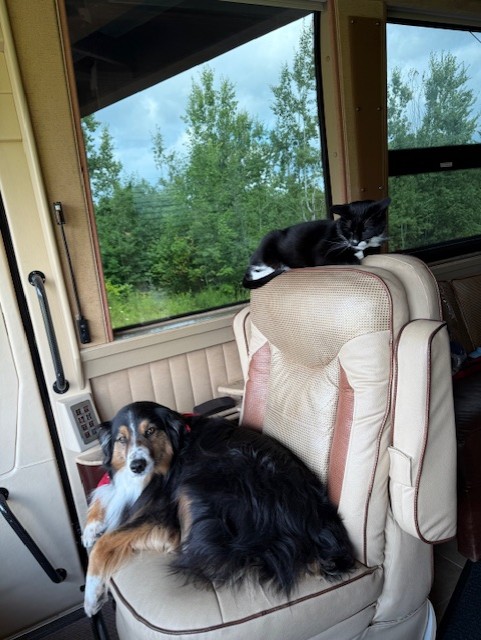
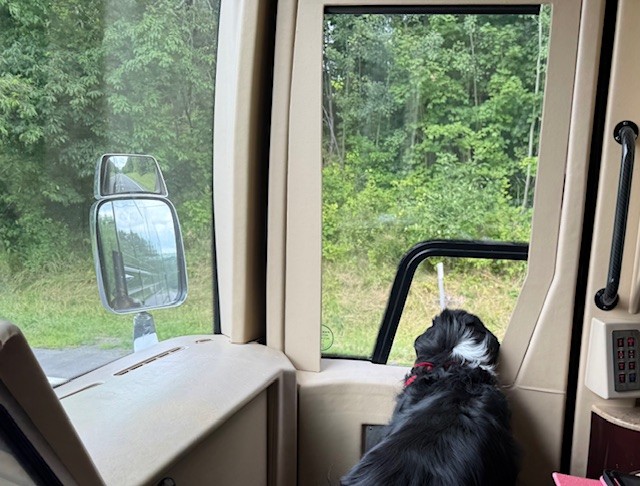
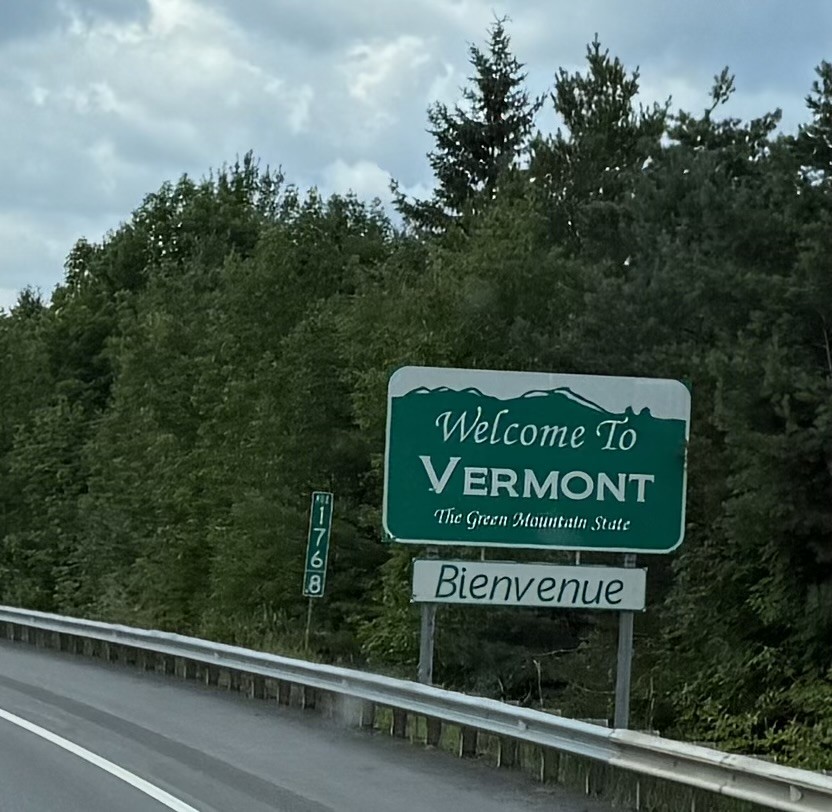
Frankie was eager to get back to his homeland.Even though it was early, there was a nice, long line of traffic to get from Canada into the U.S. Frankie disdainfully allowed Ziggy onto the co-pilot seat as we approached the border.We sailed through the border. The U.S. agent at Derby Line, VT, was easygoing, looked at our passports, smiled at our fur family, and waved us through.Ahhhhh… the fresh smell of Vermont. Ziggy had never been to Vermont! He said it smelled a lot like Quebec.Immediately upon entering Vermont, we were captivated by the sights. Truly, Vermont is “The Green Mountain State.”Sadly, our pictures through the bus windshield don’t do Vermont’s green mountains justice.Jay tried to capture the mountains and the sky in his pictures.
We chose to cross the border through Vermont because… if you remember from one of our posts earlier, Jay was a soldier in The Old Guard.
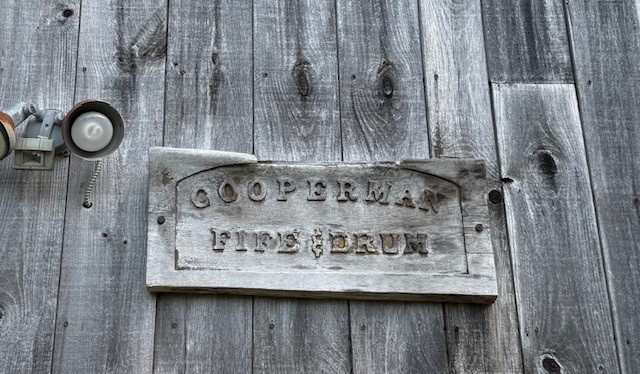
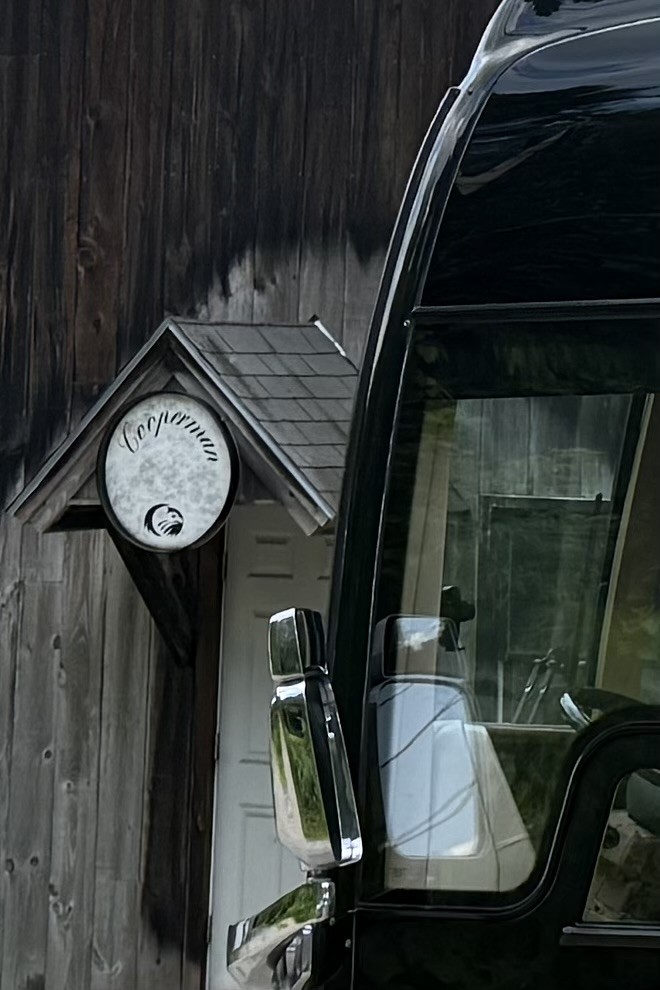
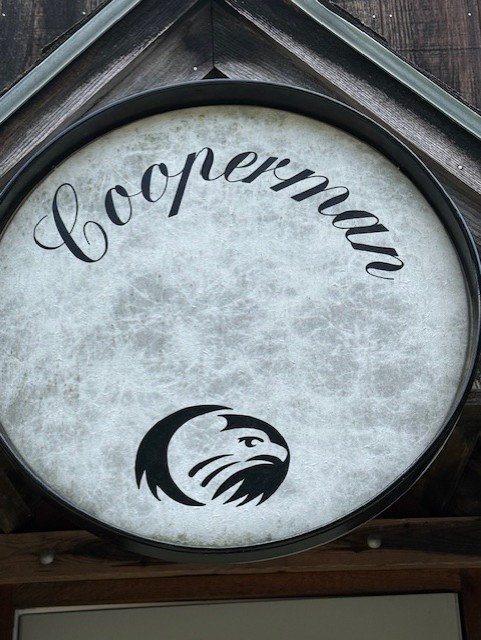
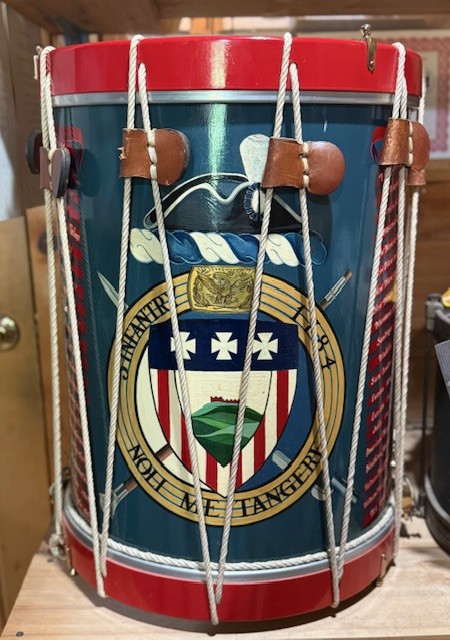
The Old Guard Fife and Drum Corps use historically accurate instruments, to include rope tension, wooden drums. The wooden drums (and fifes at the time) were made by hand in a small business called Cooperman Fife & Drum, which is now located in Westminster, VT.
During the Revolutionary War, fifes and drums played a crucial role in the Continental Army. In George Washington’s forces, two fifes and a snare drum not only helped boost morale butt were also essential for signaling commands on the battlefield.
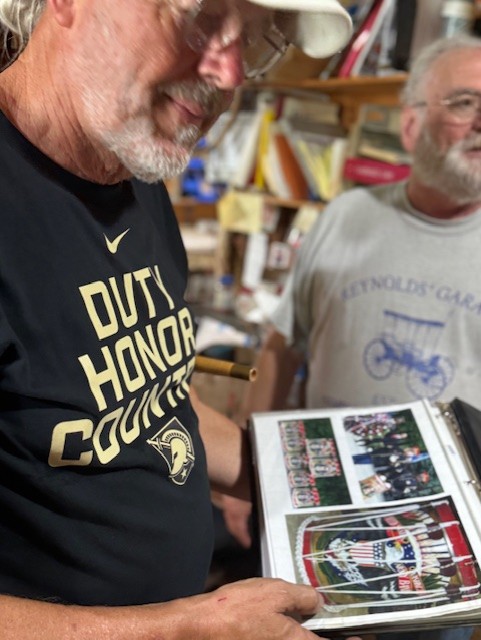
Today, Cooperman Fife & Drum proudly displays a picture of The Old Guard accepting their first shipment of Cooperman drums.
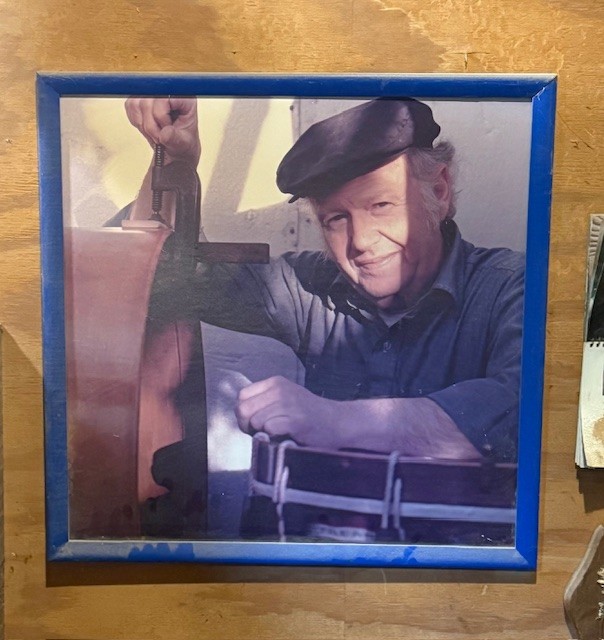
Way back in the 1980’s when Jay was a young soldier with The Old Guard, he traveled with the Corps to pick up the handmade wooden instruments. He met the owner of the business, Pat Cooperman.
Naturally, they became fast friends. Pat gifted Jay one of his made-by-hand, finely crafted wooden fifes. Jay has kept that fife with him for more than 30 years and he brought it on our trip.
In the 1980s, Pat Cooperman’s small business (at that time in Connecticut) was the state’s second largest military contracting company (the first was an optical lens business). Pat and his wife Patricia are no longer with us, butt their children proudly carry on their legacy, making handcrafted wooden instruments for not only the U.S. Government but for businesses on the East Coast in colonial towns such as Williamsburg, VA.
“Pat Cooperman brings a sound back from the past…. The sound of the string tension drum leaps from fading memory… welcomed by the rhythm masters and their cheering crowds.” – Caption from a newspaper article featuring Pat Cooperman
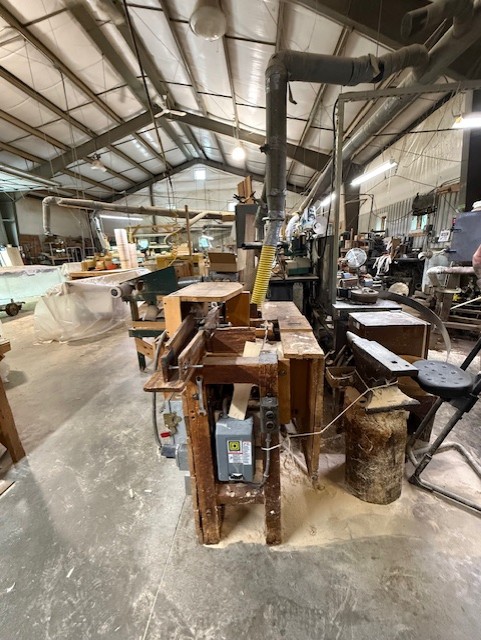
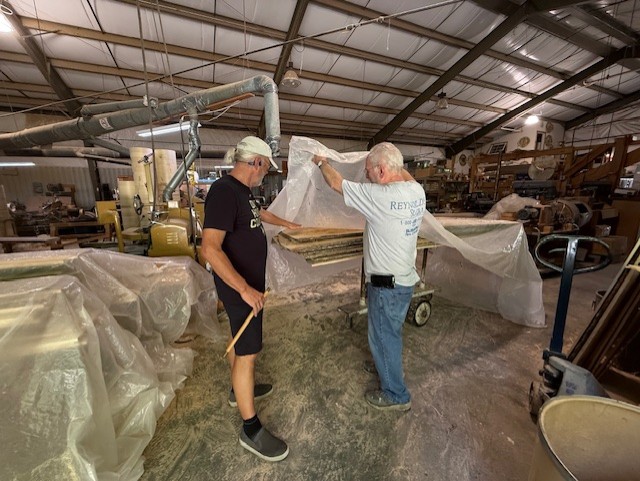
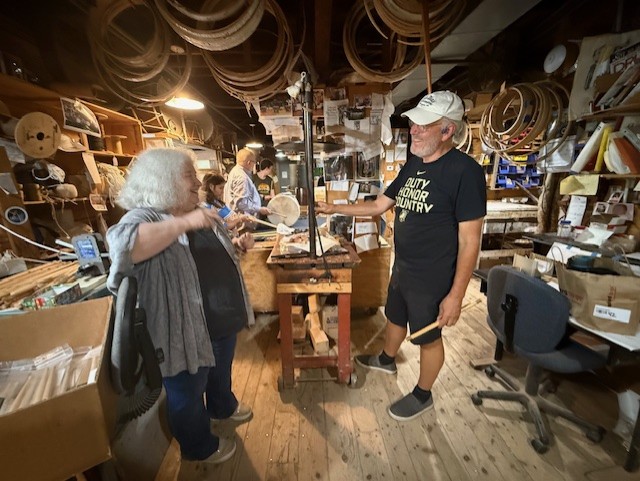
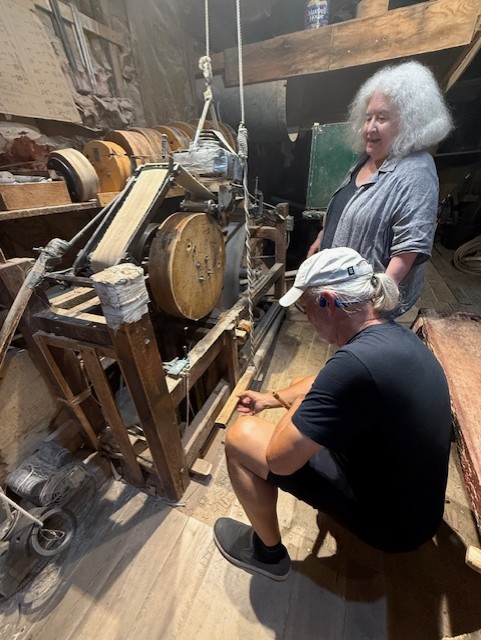
The shop is filled with equipment that isn’t automated. Instead, everything is done by a human being using skilled techniques learned through generations of talented craftsmen.The company’s photo album proudly includes The Old Guard customers.Jim Ellis, who is married to Pat and Patricia Cooperman’s daughter Patsy, showed us the wood they use to create their tailored products.
During our visit, a group of young musicians were also touring the business. The children were from a school in Florida. They traveled to Vermont to learn how their uniquely special instruments are made.
Patsy shared with us how she tests each drumstick by hand. She can hear in a tap or two if the drumstick isn’t up to quality standards.
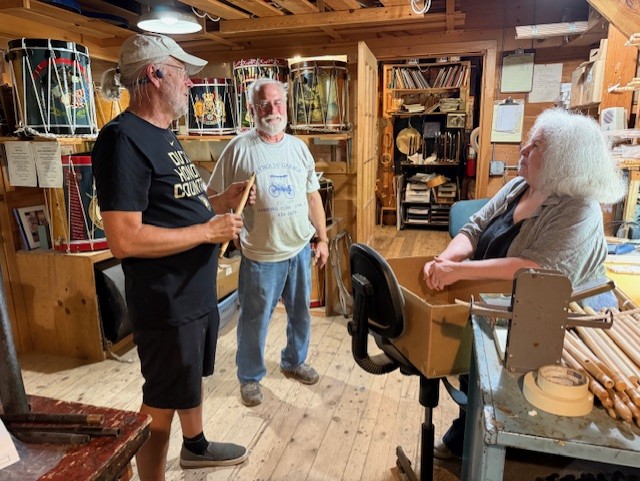
Jay showed Patsy and Jim the wooden fife Patsy’s father gave to Jay so many decades ago.
Jay shared stories of his happy and memorable visit with Pat Cooperman back in the late 1980’s.
We continued our tour and got to see how the wood on the drums is steamed to make it pliable (for just a few minutes). In those few minutes, the craftsman fits the wood to shape for the drum.
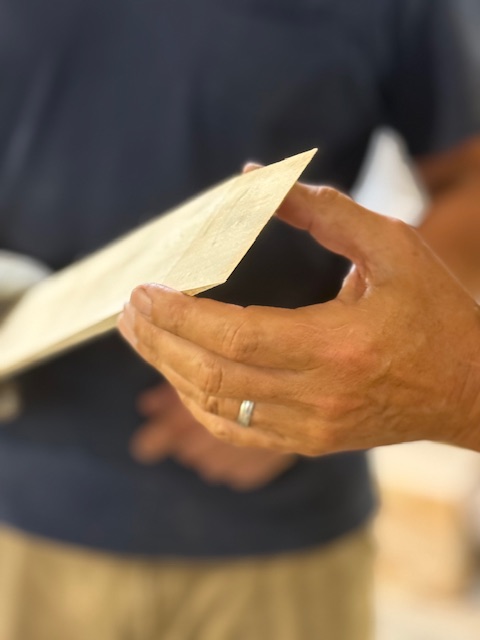
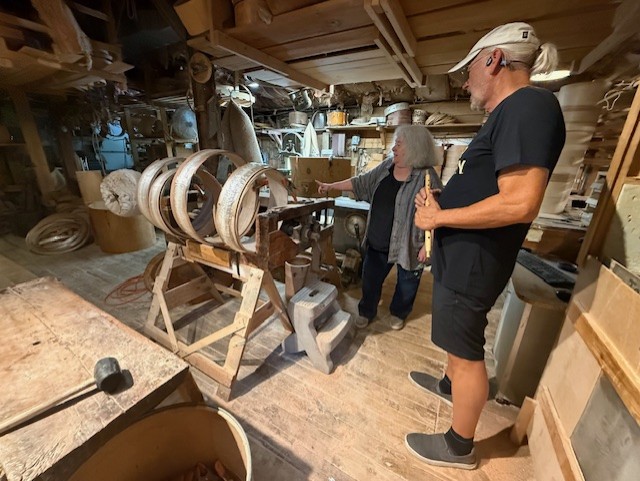
Not only were we impressed with the handiwork that goes into each drum, but we were also impressed that these skilled craftsmen do their work in a building that is not air-conditioned. On the day we visited them the temperature was in the 90s (probably close to 100 with the humidity factored in)! As a dainty desert flower, I was wilting! 😉This is a close-up of the wood that goes into the steamer. The angles allow the wood to be joined seamlessly to make the round rims for the drumheads.
After the wood is steamed, it goes into a hand-built tool that turns the wood into the rim of the drumhead.
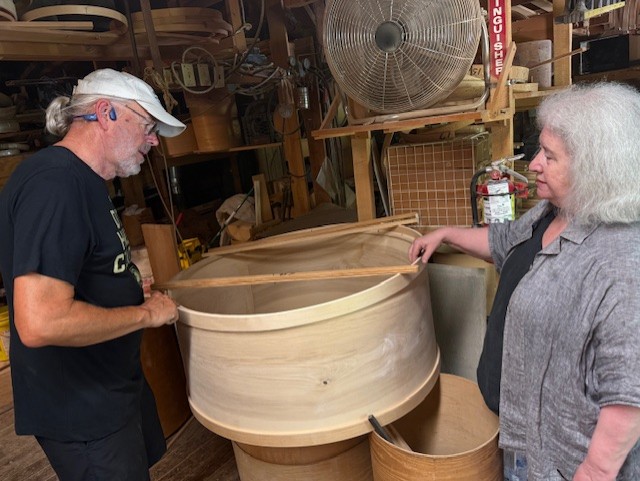
Jay admired the device Patsy uses to mold the wood into a custom rim.Patsy and Jay examined the rim of a drumhead.
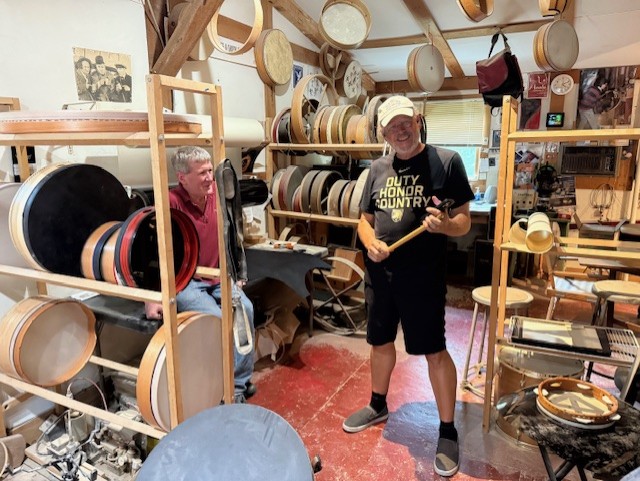
After the rim is complete, it goes to the other end of the building where Patrick (the Cooperman’s son) constructs drumheads to custom fit each drum.
Pat also crafts tambourines.
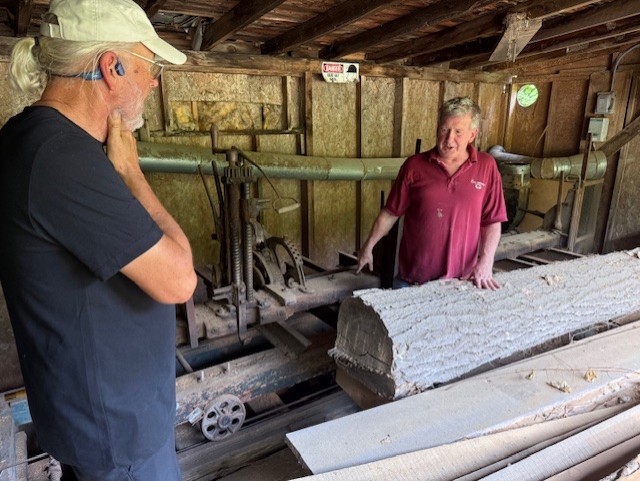
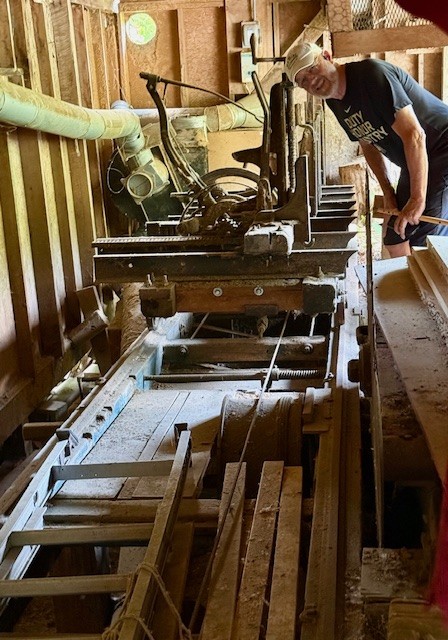
Pat took us to the old sawmill to show us how lumber was sawed into usable sizes for the craftsmen to manufacture into fifes and drums.
The original company in Connecticut did not have their own sawmill.The sawmill was capable of cutting up to 12-foot-long logs.
After our tour, the Ellis/Cooperman Team bid us farewell. Jay was in heaven having met his old friend’s family and seeing firsthand how they make the instruments still in use by The Old Guard.
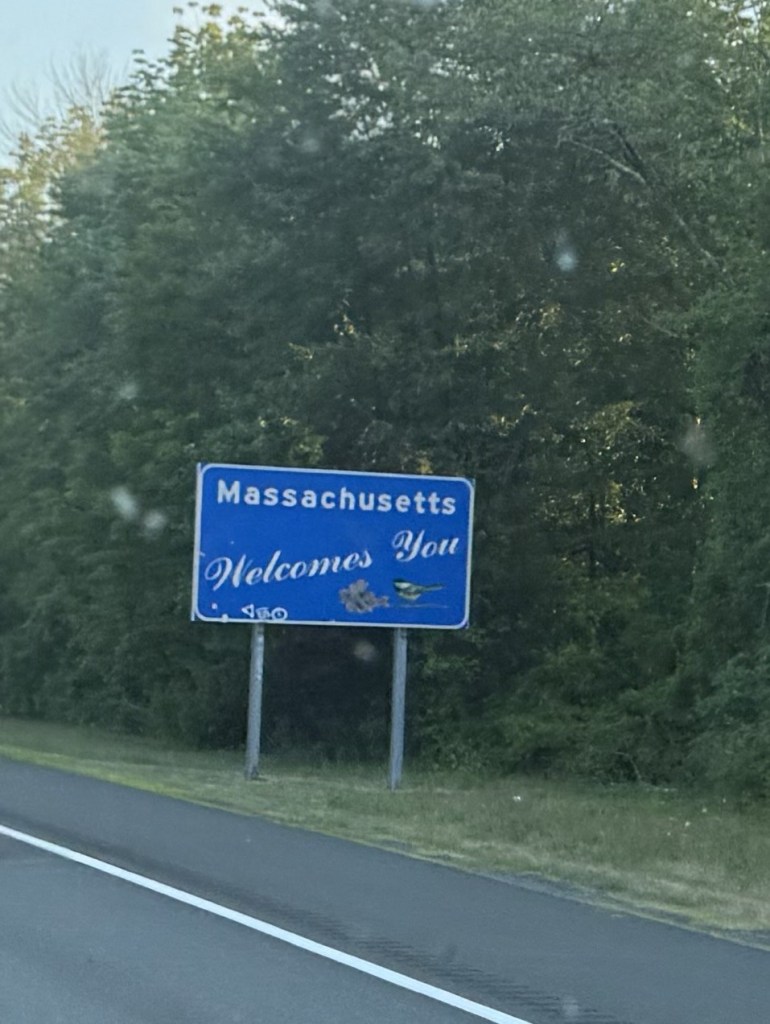
We left Vermont with a smile and headed briefly into the Commonwealth of Massachusetts…
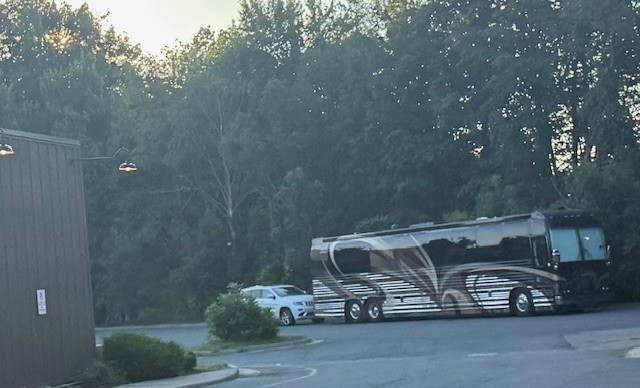
… and then left Massachusetts for our dry camping spot at a Cracker Barrel outside of Albany, NY.
Yes, that’s right. We were back in the Great State of New York. We slipped in quietly so as to not taunt the Great State into a payback of some kind from our last visit a month or so ago.
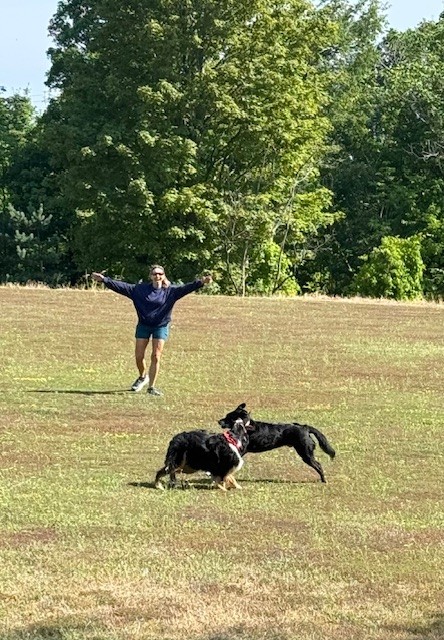
We stopped at an empty rest area and let the boys play in the open field. They had a lot of energy to expend. They loved it.I worked on our blog and settled in for a short drive to our next tour stop, a place neither of us had ever been to before.Jay and I will remember with happiness our visit with Cooperman Fife & Drum. Patsy, Jim, and Pat were so welcoming and generous with their time, showing us the magic of bringing history into modern day music.









 Tinkerbell's Travels
Leave a comment